Welcome to Cressi’s Official Website – Learn more about Cressi 

Become a Cressi Dealer – Join our network today!

Discover Cressi’s New 2027 Products – Learn More

Adult Swim Fins

Iconic Dive Gear
Since 1946

Power Through Every Lap

Why do swimmers train with short-blade fins instead of long ones?

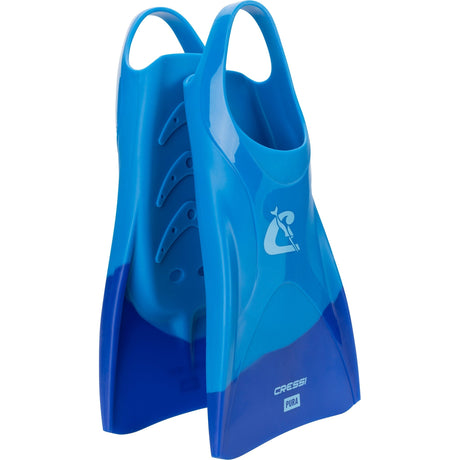
Short-blade fins like Cressi's lineup here trade top-end speed for control, letting swimmers focus on kick technique and leg strength instead of relying on the drag from long blades to mask poor form. The Light fins target pool training specifically, built from reactive material that sharpens racing technique without causing leg fatigue. The Agua Short doubles as a travel fin, with a self-adjusting foot pocket that skips precise sizing. Pura, made from silicone with an ankle strap, suits beginners and younger swimmers building basic leg strength.

  1. Agua Short

    SHORT BLADE, TRAVEL-READY

    A shorter version of Cressi's Aqua blade, with a self-adjusting foot pocket built for travel and easy packing.

  2. Light

    BUILT FOR POOL TRAINING

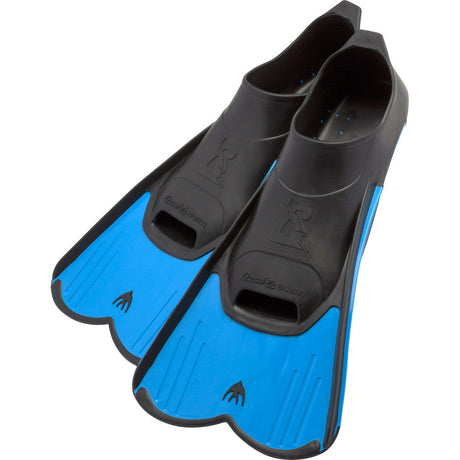
    Reactive, lightweight blades sharpen kick technique and racing form without the leg fatigue longer fins can cause.

  3. Pura

    SILICONE, SOCK-FREE COMFORT

    A soft silicone foot pocket skips socks, with an ankle strap built for beginners and young swimmers.
View as

  • Cressi Blue

    Light

    $39.95 USD
    In stock (1229 units)
  • Cressi Blue

    Pura

    $37.95 USD
    In stock (799 units)
  • How do training fins improve your swimming?

    Training fins add propulsion, which lets you swim faster while focusing on form instead of just moving forward. The extra resistance against the water builds leg and ankle strength over time, and the added speed helps you feel how a faster, more efficient kick actually works. Short-blade fins like the Light keep the added propulsion modest, so you still work your legs hard rather than coasting on the blade the way longer fins allow. Most coaches recommend using them for specific drill sets rather than an entire workout.

  • How often should you use fins in swim training?

    Most coaches suggest limiting fins to specific drills, like kick sets or technique work, rather than swimming full sessions in them. Overusing fins can let you lean on the extra propulsion instead of building real leg strength, and it can mask kick flaws that reappear without them. A common approach is one or two fin-assisted sets per workout, mixed with unassisted swimming so your body still does the work. Beginners and younger swimmers, like those using the Pura, can wear fins more often while they build basic kick mechanics.

Compare /3

Loading...