Not every great day spent swimming looks the same. Sometimes your best day on the water happens at a crowded beach with friends; sometimes it’s family time at a quiet lake; and sometimes it’s just splashing around in the hotel pool. The setting almost doesn’t matter, what matters is what you make of the day.
That said, different bodies of water ask different things from you, and knowing a little about what to expect at each one makes for a better swimming experience once you’re there. The gear you bring, the conditions you prepare for, and the way you move through the water all shift depending on where you are. None of it is complicated, but a little preparation goes a long way.
The Ocean and the Beach
Conditions at a beach can change significantly depending on the time of day, the season, the tide, and the weather. The same stretch of water that is glassy and calm in the morning can have real chop and current by early afternoon. Before you get in somewhere new, spend a few minutes watching the water.
Notice whether there is any current running along the shore, where the waves are breaking, whether the bottom is sandy or rocky at the entry point, and if others are wading around in the shallows.
None of this is meant to be intimidating. Most beach swimming and snorkeling happens in conditions that are entirely manageable with a little awareness. It just pays to pause before you dive in.

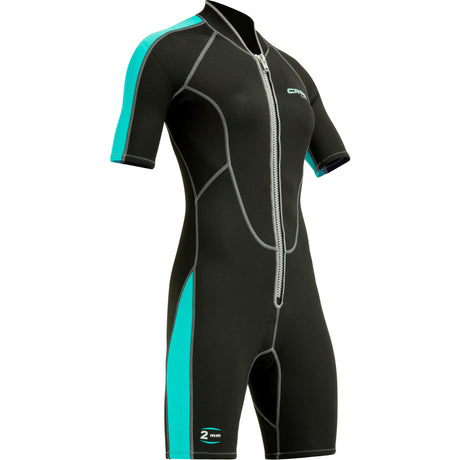
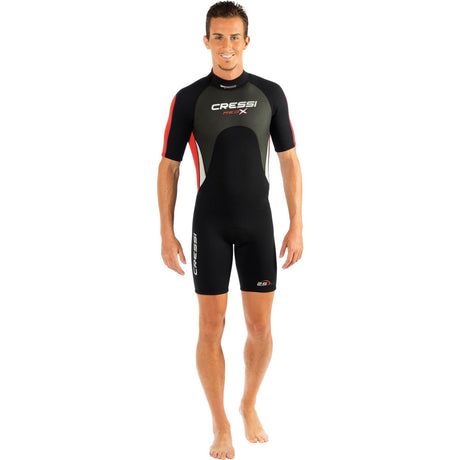
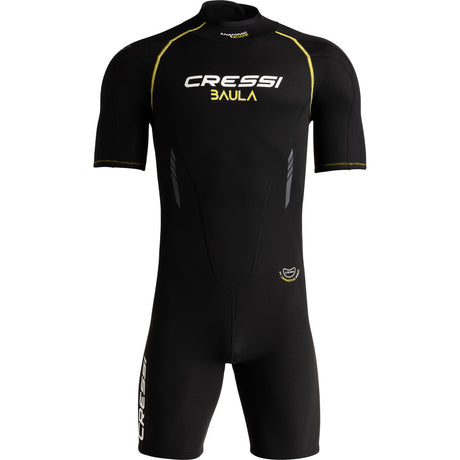
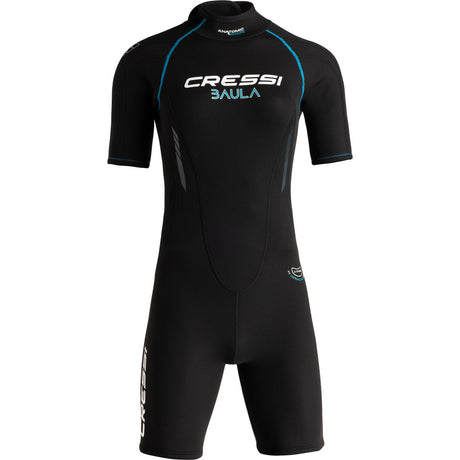
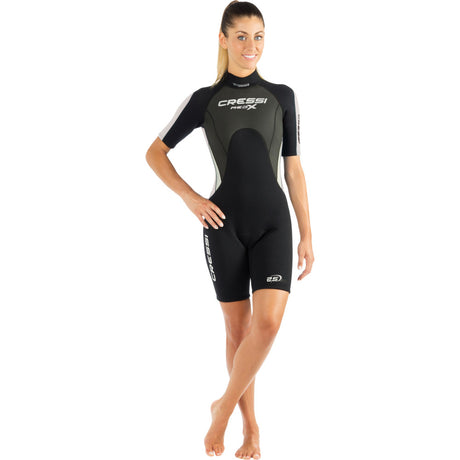
The ocean is also where having the right Cressi swimming gear pays off the most. A good pair of goggles or a snorkel mask changes the experience entirely. Suddenly you’ve got a window to a whole new world under the surface rather than just floating above it. A good pair of swimming fins makes it easier to cover ground without exhausting yourself. A rash guard or lightweight wetsuit top protects your skin against the sun and the occasional brush with something that might sting.
For families with kids, the beach tends to produce some of the longest and most enthusiastic water sessions of the year, which is also when gear fit matters most. A mask that leaks or goggles that fog will shorten the afternoon considerably.

The Lake
At the lake, the water is usually calmer, the visibility varies widely, and the experience tends to be more about the immersion itself than what you might see or do underwater. Surrounded by nature, lake swimming tends to be more restorative than either pool or ocean swimming, even if you can’t see the bottom.
Gear for lake swimming is generally simpler than for the ocean. Goggles are worth having, both for comfort and because visibility in freshwater lakes can be surprisingly good in the right conditions. Fins are useful if you are covering distance or exploring, but many people find that lake swimming invites a slower, less equipment-heavy approach. A swim cap helps in cooler water and keeps hair manageable during a long afternoon of in-and-out swimming.
One thing worth noting about lakes: water temperature can vary more than expected, particularly at depth or in spring-fed lakes where cold water comes up from below. If you are planning extended swims, a lightweight dive skin is worthwhile even when air temperatures are warm.

The Pool
Because the pool is the most controlled of the three environments, it’s the best place to get comfortable with gear before taking it somewhere less predictable. Goggles that you have tested and adjusted in a pool will not surprise you at the beach. Kids who have practiced clearing water out of their snorkel in a pool will handle it much better in ocean swell.
Beyond that, the pool rewards a slightly more intentional approach to gear than people often think. A well-fitted pair of goggles makes a long pool session noticeably more enjoyable, and good fins can turn a casual swim into a lap session. A swim cap reduces drag and keeps hair out of your face across repeated laps or dives.
For families, the pool is often where the relationship with the water actually starts. It’s where most kids take their first lessons, learn to put their faces in the water, and figure out how to hold their breath. This is where the gear goes from feeling foreign to feeling like a natural extension of your body. Getting the fit right at the pool matters because it builds the habits that carry forward to every other environment.
What All Three Have in Common
The ocean, the lake, and the pool each offer something different, and the people who get the most out of swimming tend to be comfortable moving between all three. What connects them is that all three reward the same thing: showing up with the right gear, a basic sense of what the conditions are, and enough time to actually get comfortable in the environment.
Good gear supports all of that without getting in the way of it. Goggles that fit mean you're actually seeing what's around you rather than dealing with a leak every few minutes. Fins that match the environment mean you’re covering ground without exhausting yourself. Swimwear that fits properly means you’re staying in longer than you might otherwise. None of it is complicated. Get those things right and the water takes care of the rest.