There are as many favorite dive environments as divers: some love a rollicking drift; some live to explore wrecks. Some love the independence of shore diving, and some are quite content finning slowly over a busy reef. The environment you dive in, however, is about more than just what you'll see underwater; it influences all your gear choices too.
Most divers settle on one setup and use it everywhere, which is fine if you’re consistently diving in the exact same environments. But the gear choices that work well on a warm tropical reef can be all wrong on a cold-water wreck or a surge-heavy shore entry. Understanding what each type of dive environment requires and the best gear for the job will help you become a more prepared diver and, frankly, a more comfortable one.

Reef Diving
Reef diving is where most people start and where a lot of divers spend the better part of their dive careers. The conditions are typically forgiving, with calm water, good visibility, and warm temperatures. Because it’s a relaxed setting, the reef is a great place to dial in your gear preferences in a low-stakes environment.
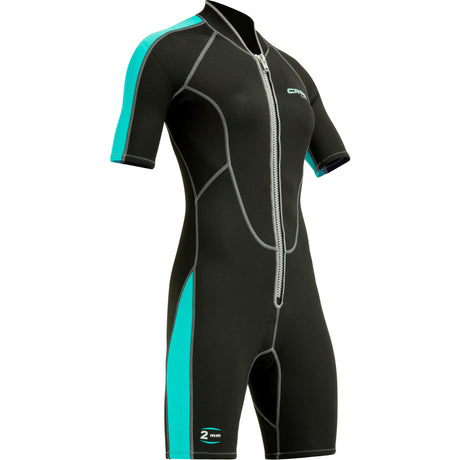
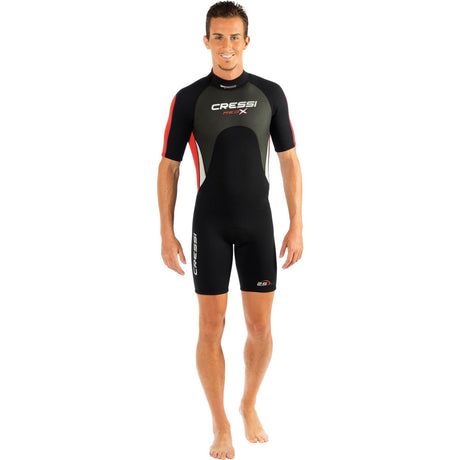
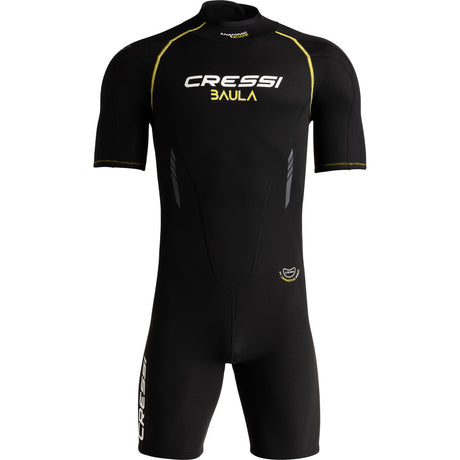
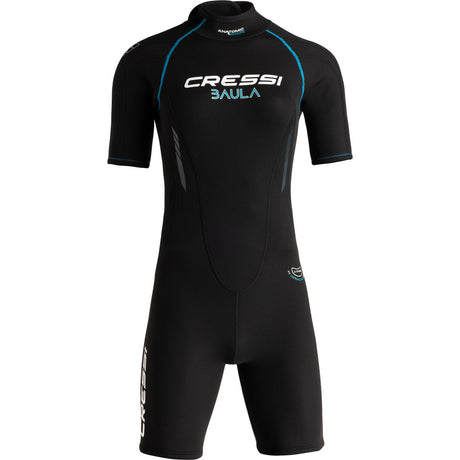
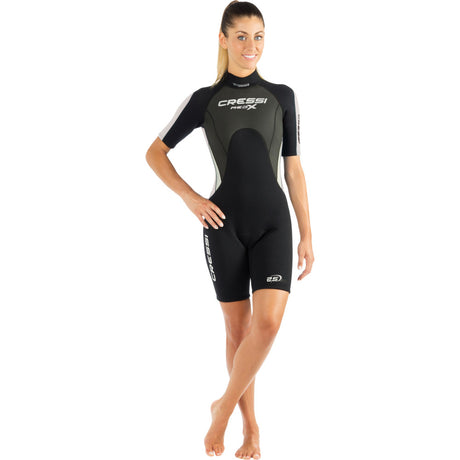
In warm tropical water, a 3 mm full wetsuit like the Cressi Morea or even a shorty like the Lido is usually sufficient. A jacket-style or travel BCD works well here. The conditions don't demand anything specialized, and if you're traveling to the reef, a packable BCD like the Travelight saves meaningful luggage space.
Fin choice on the reef is mostly about control rather than power. A mid-length, maneuverable fin lets you make small adjustments to your position without generating turbulence or requiring a lot of room to kick. The Frog Plus handles this kind of diving well. It’s responsive enough for precise positioning, yet has enough power in the blade to keep you moving efficiently.

Wreck Diving
If you’re a wreck diver, you’ve got a few more things to consider when it comes to your gear. Deeper wrecks plus interior spaces mean less ambient light, so a good dive torch (plus a backup) is necessary.
In terms of exposure protection, you’ll probably want something slightly thicker than you might wear on a shallow reef unless the water temperature remains warm. A full wetsuit will not only keep you warm, but also offer some protection against sharp edges in and around the wreck.
If you're diving exclusively around the wreck’s exterior, fin choice is similar to what you’d want on a reef, but if you’re doing penetration diving, a careless kick can silt out visibility in seconds. Smaller, more controlled fins like the Origin LD or HD and the ability to execute a clean frog kick—where propulsion comes from the outside of the fin rather than a downward push—make a real difference here.
Finally, a computer with a large, clear display matters more in low-visibility conditions where you want to check your numbers easily.

Drift Diving
Drift diving changes the conversation around fins more than any other environment. Good drift diving is not about fighting the current, but rather about going with the flow and using your fins for directional control and repositioning rather than forward propulsion.
However, there will be times where you’ll need to move laterally, hold position in a cross-current, or swim against a current briefly. In cases like that, a fin that generates real thrust makes a meaningful difference. Longer, stiffer blades earn their place on drift dives for exactly this reason. The Reaction EBS fins, with longer blades and elastic bungee strap system, handle this kind of diving well.
Exposure protection for drift diving depends entirely on the site. Some of the world’s best drifts, like in Cozumel or Palau, are in warm, relatively shallow water. But current-heavy sites are often located in areas with significant upwelling, which can mean cooler water than you expect. When in doubt, ask your operator. The people working on your boat or at the shop have done that drift in every season and they'll tell you exactly what to wear.

Shore Diving
Shore diving introduces variables like rocky entries, surge, sandy beach walks, and the occasional scramble over uneven terrain to get to the water. These terrestrial conditions all put demands on your gear that have nothing to do with the dive itself.
One of the first things you’ll pay more attention to if you’re shore diving is your feet. Open-heel fins worn with boots are standard for shore diving because sturdy boots protect your feet during entry and exit, give you traction on slippery surfaces, and help your fins fit securely regardless of conditions. Depending on your dive environment, you can choose anything from a low-cut 3 mm boot to a 7 mm high-cut boot or even ones with a hard sole.
A full wetsuit with thicker neoprene gives you better protection against incidental contact with the bottom or structure, plus helps protect your skin in case you lose your footing or the surge gets the best of you on entry or exit. Aside from protection, the most important factor is your own comfort, so if you run warm, opt for a lighter 3 mm full wetsuit instead of a thicker 5 mm.

The Common Thread
None of these environments requires its own full set of gear, and most recreational divers will do well with a versatile setup built around their most common type of diving.
But if you spend a bit of time thinking about the site’s conditions and tailor a few pieces of your gear to suit temperature, the visibility, the current, the entry, and the terrain, you’ll have better dives and fewer unpleasant surprises. The gear is there to serve the dive, so choosing it with the environment in mind is just good diving.