Buying your own scuba gear represents a meaningful monetary investment, so it’s wise to keep it well-maintained. A regulator that goes without annual service; a wetsuit that gets put away damp; or a BCD that spends the off-season stored with salt residue in the bladder are all common, yet avoidable, situations that lead to the degradation or failure of gear far prematurely.
Gear that lasts is not only good for your wallet, but also for the environment, since it won’t require replacement. The good news is that taking care of your dive gear isn't complicated; mostly it just comes down to establishing a few consistent habits.

Rinse Everything After Every Dive
The most important thing you can do is rinse all your gear after every dive. Saltwater is extremely corrosive, so the longer it sits on equipment without being rinsed off, the more damage it does.
For masks, snorkels, and fins, a good soak in a tub of fresh water followed by a gentle hose rinse is enough. Make sure to swish your gear around in the tub so that all the nooks and crannies get clean.
For BCDs, rinse the outside thoroughly in a tub or with a hose, then inflate it slightly and rinse the inside of the bladder through the oral inflator. Salt residue inside the bladder can degrade the material over time and cause inflator problems down the road. Rinse the inflator mechanism itself and press the buttons several times while rinsing to clear the valve.
Regulators need a fresh-water rinse too, but with one important rule: never press the purge button while the dust cap is off and the first stage is uncapped, and never submerge the first stage without the dust cap in place. Water in the first stage can cause internal corrosion and free-flow. Rinse the second stage and hoses thoroughly in a tub once you make sure the dust cap is secure.
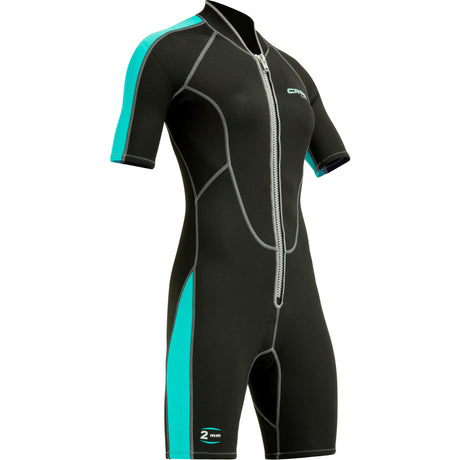
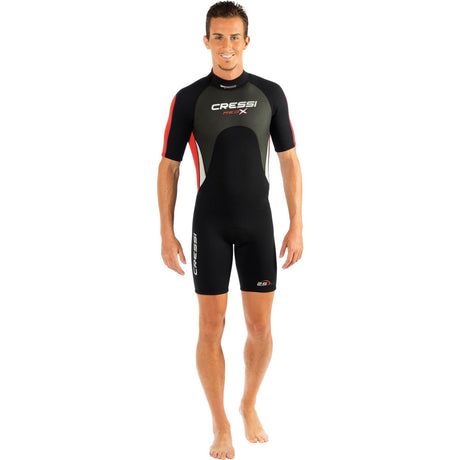
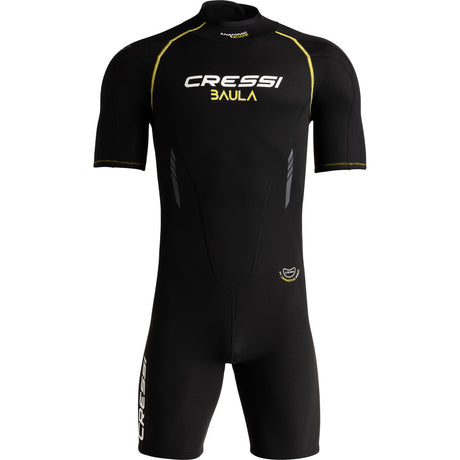
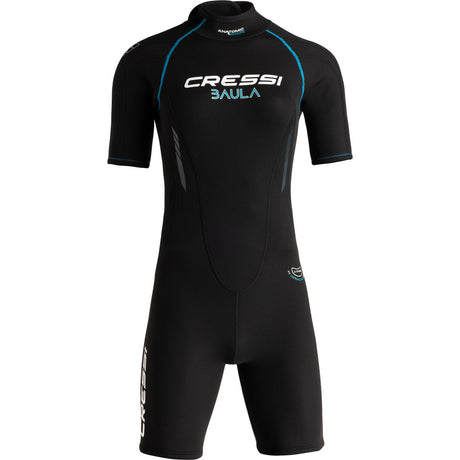
Wetsuits should be rinsed inside and out or at least fully unzipped. Turn them inside out in the water and rinse well, paying attention to seams and zipper teeth. If your wetsuit starts to smell despite rinsing, buy a wetsuit-specific cleaner that’s designed to disinfect it without damaging the neoprene.

Dry Gear Completely Before Storage
Once all your gear is cleaned, you must wait until it’s fully dry before stashing it away in storage. Damp gear grows mold and mildew, develops odors, and degrades faster than it should. After rinsing, hang everything to dry thoroughly before packing or putting it away, ideally out of direct sunlight, which degrades neoprene, silicone, and rubber over time.
For long-term storage, wetsuits should be hung on a wide hanger rather than folded. Folding them in the same place repeatedly creates creases in the neoprene that weaken the material over time.
Hang BCDs up as well, and store them slightly inflated so the bladder doesn't collapse against itself for an extended period of time. Store masks in the protective case they came in, if you have one, and also away from sunlight.
Store Gear in a Controlled Environment
Heat and UV exposure are two of the fastest ways to age dive gear. Regulator hoses in particular are vulnerable to UV degradation and should be kept out of the sun when not in use. Fin foot pockets can stiffen and crack if stored somewhere very hot.
Avoid keeping your gear in a car trunk, a garage with no climate control, or anywhere it will be repeatedly exposed to direct sun. A cool, dry, dark space is ideal, such as a closet, a gear bag kept inside, or a clean, dry basement.

Traveling with Gear
Dive gear is subject to quite a bit of stress when you travel, as bags get jostled around and are not kept in the same temperature-controlled setting as passengers. But again, a few simple habits can make a big difference.
Consider a dedicated padded carry-on regulator bag if you travel frequently, but if you pack your regulator in your checked luggage, place it in the middle of the bag tucked into a few t-shirts or wrapped in a rash guard, and cradled by your BCD.
Fins are awkward to pack and easy to damage if the blades get bent during transit. Pack them with the blades facing out along the sides of your bag rather than folded across one another.
If you travel for diving frequently, the best solution is to purchase a bag that’s specifically designed for that type of travel. Most have dedicated fin pockets along the side and plenty of room inside for all your gear. Some, such as the Moby 5, have a removable front pouch that works great as a carry-on regulator bag.
Speaking of carry-on luggage, some things should always remain on your person when you’re traveling, including your dive computer, small camera, batteries, and other electronics. Most of those items are far too fragile and expensive to put in a checked bag.

Service Schedules
Even with careful rinsing, storage, and transport, regulators typically need annual servicing to remain in good working order. This isn't optional maintenance; it's how the equipment is designed to be kept in safe working condition. BCDs should be checked annually as well, particularly the inflator valve and dump valves. A professional service isn't expensive relative to the cost of the gear, and it's far less of a hassle than a regulator problem at depth.
Masks, fins, snorkels, and wetsuits don't require scheduled professional service, but they do warrant regular inspection. Look for cracked or yellowed silicone skirts, worn fin buckles, stiff or cracked mouthpieces, and any thinning or delaminating in wetsuit seams.
The quality of the gear you buy matters, of course, but equally important is how you take care of it. Rinse everything after every dive, store it properly (and dry), and maintain regular service schedules for equipment that requires it. Build those habits early and your gear will reward you for it, season after season.