Nothing is guaranteed in scuba diving. We all know that the ocean delivers what it wants to deliver each time we descend. Our sport is defined by that unpredictability. Unforgettable moments arrive; we savor them; and we dive again the next day hoping for more.
The first time you saw a turtle underwater or watched a manta ray glide by; the first time a teeming coral reef came into focus or a shipwreck appeared out of the gloom—all of these moments become part of our underwater story. They accumulate, dive by dive, until you realize you’ve become comfortable in an environment that was once completely foreign.
Gear is part of every one of those moments. It should work predictably and allow the dive to unfold without interruption. When it does its job well, you barely notice it at all. Your gear should be the least interesting thing underwater—and that’s exactly how Cressi designs it.

The First Descent
Most divers remember their first open-water dive clearly, not because of what they saw, but because of how they felt. The first time you breathe underwater it feels like nothing short of a miracle, and yet it’s wholly thanks to thoughtful engineering and design.
As your head dips beneath the water and your breathing evens out, your regulator begins to fade from your awareness. Each inhale delivers air smoothly and predictably. Each exhale leaves in its wake a steady stream of bubbles. The mechanics of breathing underwater stop demanding attention.
A well-designed regulator plays a direct role in that transition. Balanced first and second stages help maintain consistent airflow regardless of conditions. Exhaust tees direct bubbles away from your field of vision, and mouthpieces are designed to remain comfortable without requiring you to bite down constantly.
When breathing becomes automatic, your focus shifts outward and you can concentrate on the moments that made you want to dive in the first place.

The First Time You See Something Big
Even if you’re on a dive site renowned for big-animal encounters, they often happen without warning or when you’re looking the other way. You’re focused on something small like adjusting your buoyancy, fiddling with your camera, or watching a territorial triggerfish, when your peripheral vision catches movement.
At first it’s just an indistinct shape in the haze. As it comes into focus you realize you’re looking at something larger than anything you’ve seen underwater before. A whale shark. A manta ray. An enormous sea turtle moving across the reef, munching happily on the algae.
“I still remember that dive like it was yesterday,” says Rodolfo Guillen, Cressi sales manager and PADI Course Director.
It was the early ’90s in the Mexican Caribbean, and as a brand-new diver, everything felt new and surreal.
Then I saw them—nurse sharks resting on the sand, and then slowly gliding through the water. Some might say, “it’s just a nurse shark,” but to me, it was everything. My heart was racing with excitement, not fear. Watching them move so effortlessly, so gracefully, completely changed how I saw the underwater world.
As I kept diving, I encountered more—loggerhead turtles, spotted eagle rays, reef sharks—but that first feeling of awe never left.”
In these moments, your breathing changes again as you get excited or shout into your regulator to get your buddy’s attention. This is where performance matters again:consistent, predictable airflow helps maintain calm breathing patterns even if you’re the furthest from calm.
“At the end of the day, it’s all about those moments underwater—the feeling of discovery, no matter the size of the animal.”—Rodolfo Guillen

Learning to Hover
Achieving neutral buoyancy can seem like a distant dream when you first start diving, but buoyancy control is one of the most important skills to master. Perfecting this skill will keep you from ascending (or descending) too quickly. You don’t want to be the diver who’s crashing into the coral or missing the moment because you’re not at the right depth.
At first, fine-tuning your buoyancy requires constant adjustment; adding a little air to your BCD here, dumping a little there. But, as the process becomes intuitive, you will have an “aha” moment where achieving neutral buoyancy just clicks.
“Buoyancy is one of the most important skills to master for comfort, efficient movement underwater, and to avoid damaging the environment we love,” says Guillen.
It all starts with using the right amount of weight and ensuring it’s properly distributed. From there, visualization plays an important role—thinking about your body position in the water, what your hands are doing, and most importantly, how you’re using your legs and fins.”
You’ll add a small amount of air and stop. You’ll remain in place without effort. In this moment, your inhale and exhale keep you right at the target depth. Once you stop fighting to remain in place, you’ll be even more present in the moment.
BCD design directly influences your success in terms of buoyancy control. Bladder shape affects air distribution within the BCD. Dump-valve placement determines how easily you can release air based on your position in the water. Inflator mechanisms designed to provide consistent airflow with each press make the learning curve that much easier.
In addition to the proper gear, Guillen recommends extra training to perfect your buoyancy. “One of the best courses I recommend is Peak Performance Buoyancy, he says.” It won’t make you an expert overnight, but it provides the essential tools to refine your trim and continue improving over time.”
"Consistent practice is key. Keep track of your weight and make notes on each dive in your logbook to monitor what works and what needs adjustment."—Rodolfo Guillen

Seeing Clearly for the First Time
You’ve emptied the air from your BCD and you start to sink beneath the waves. There’s nothing quite like the moment that your head dips underwater and the world below comes into view.
“Clear vision makes all the difference during a dive,” says Guillen. “People go diving for many reasons, but experiencing and admiring the underwater world is always at the top of the list.”
The key for achieving clear, wide vision underwater is, of course, your dive mask. For such a simple piece of gear, it can be remarkably difficult to find the right one. Nothing will ruin an otherwise textbook-perfect dive faster than fighting with your foggy or ill-fitting mask for 50 minutes.
“There’s nothing more distracting—or frustrating—than a mask that fogs, leaks, or feels uncomfortable,” says Guillen.
Mask design determines how stable and clear that view remains. Silicone skirts create a seal that prevents water from entering, even during extended dives. Tempered glass lenses resist scratching and distortion. Low internal volume makes clearing easier if water enters the mask. A mask that fits well is important for all divers, but especially for beginners.
“For new divers especially, using the wrong mask can quickly lead to a negative experience and may even discourage them from continuing diving,” says Guillen.
“That’s why fit should always come first, regardless of price. A proper seal, the right size and shape, and quality materials are non-negotiable.”
Once you’ve covered essentials like fit and size, personal preference can come into play, “such as single vs. dual lens, low-volume designs, or color. But it’s never worth sacrificing fit and comfort just for aesthetics.”
"A positive first experience underwater sets the tone for everything that follows. The right mask truly becomes your window to the underwater world."—Rodolfo Guillen

Staying Warm Underwater
Maybe you’ve been diving warm tropical water all day from a liveaboard. Or maybe it’s the first dive of the day off the California coast. No matter the environment, the key to staying warm underwater has less to do with the actual water temperature and everything to do with choosing the right wetsuit. And those moments when you’re not in the right exposure protection? Definitely memorable.
“Proper exposure protection is essential for both comfort and safety while diving,” says Guillen.
Exposure suits help keep divers warm and provide protection against abrasions, cuts, and accidental stings. While comfort enhances the overall experience, the primary benefit is increased safety underwater.”
The right exposure protection is essential not just for comfort and safety, but also for maintaining focus and control. Moderate heat loss occurs even in the warmest water, and it can affect dexterity, concentration, and definitely your enjoyment of a dive.
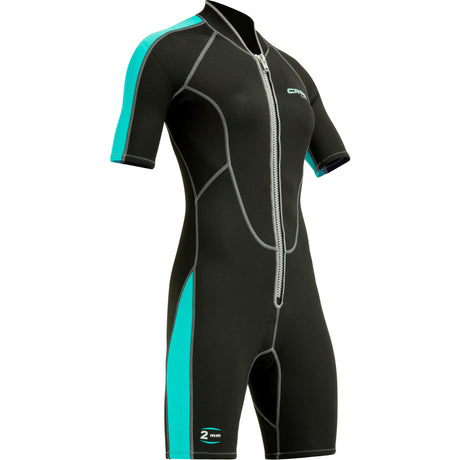
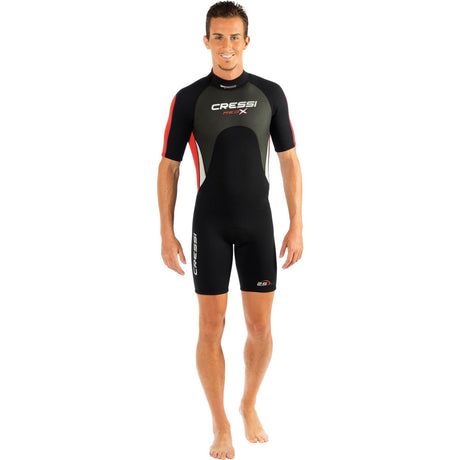
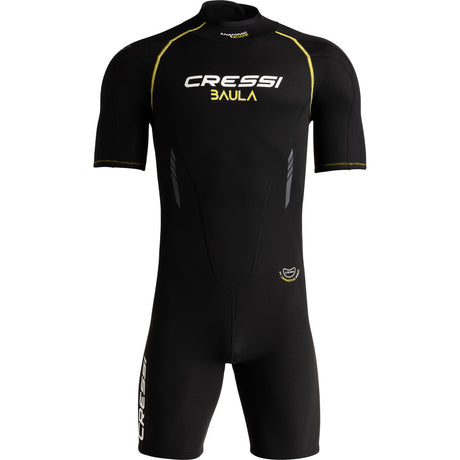
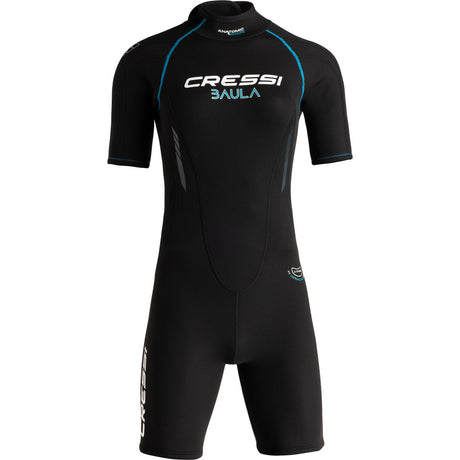
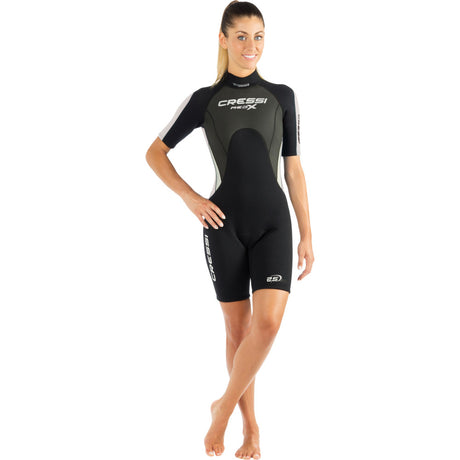
Wetsuit thickness, material, and construction determine how effectively your body retains heat. Proper fit—not too tight, not too loose—minimizes water exchange inside the suit. Seals at the wrists, ankles, and neck reduce flushing. Flexible neoprene allows movement without restricting range of motion. You’ll want to consider all of these factors, plus environment, before you choose the right exposure protection.
“Exposure protection ranges from lightweight skins to various wetsuit thicknesses and all the way to drysuits,” says Guillen.
Choosing the right suit depends not only on water temperature but also on conditions outside the water. For example, when diving in cold water on a warm, sunny day with a drysuit, it’s important to avoid overheating before the dive and to stay properly hydrated.”
When exposure protection works properly, temperature becomes part of the environment rather than a distraction. And then you can focus on the moments that really matter.
"In diving, it's important to dress for the conditions. The right exposure protection allows divers to stay warm, safe, and comfortable so they can fully enjoy the magnificent underwater world."—Rodolfo Guillen

The Safety Stop
You’ve been underwater almost an hour and, ready or not, it’s time to end the dive. You glance at your wrist and your computer confirms: the moment has come to head for the surface.
As you rise, your computer beeps a warning for you to slow down. When you get to 20 feet, it beeps again: the countdown is on for your 3-minute safety stop. Bubbles drift upward as the reef fades beneath you. If you’re lucky, a few curious fish will swim by as you hover below the surface.
For newer divers, the safety stop can feel slightly awkward. Holding a steady position between 15-20 feet for three full minutes requires attention to buoyancy, breathing, and depth. But over time, as your skills improve, it becomes a chance to slow down and process everything you’ve just seen.
This is the moment your dive computer comes into play. A clear, easy-to-read display allows you to keep track of your depth and your remaining safety-stop time before surfacing.
The computer doesn’t control your position; it simply offers a steady reference point as you wait. When the timer runs out, you signal to your buddy and ascend slowly. Although this dive is over, the moments you experienced below the surface will linger long after the gear comes off.

The Moments That Stay With You
Recreational divers rarely remember their dives in terms of equipment specifications, and nor should they. They remember moments like that first breath underwater, the incredible feeling of achieving neutral buoyancy, and the first manta encounter at a bustling cleaning station.
Reliable gear makes those moments possible. Not by drawing attention to itself, but by removing uncertainty.
Ultimately, you want fins that can get you closer to that megafauna quickly, a mask that won’t fog, and a BCD that’s easy to adjust if your breathing changes your position in the water column. With gear that’s confidently working for you in the background you can remain relaxed, even as you’re fumbling for your camera to record this moment forever.