The first time many people ever put their head underwater is while snorkeling on vacation. With no certification or complicated equipment required, it’s a relatively easy point of entry for those who are interested in the marine world.
Because you only need a mask, snorkel, and fins, snorkeling is quite simple in theory. In practice, though, it's easy to have an unpleasant time if your mask keeps leaking, your snorkel fills with water every time a small wave rolls through, or your fins chafe your feet.
The difference between a great snorkeling session and a frustrating one almost always comes down to three things: gear that fits well, proper technique, and ample preparation before you slide into the water.

Start with Gear That Actually Fits
Although it can be tempting to just rent snorkel gear if you’re going on a warm-water vacation, rental gear can run the gamut from sufficient to abysmal. And, unfortunately, there’s no way to find out until you’re already either in, or about to get in, the water. If you're going to snorkel more than once or twice on your trip, buying your own gear is worth it.
The mask is the most important piece. A mask that doesn't seal properly will fog constantly, leak, and make for a miserable hour in the water. Before you buy, test the fit this way: hold the mask against your face without putting the strap on, inhale gently through your nose, and let go. If it stays in place without you holding it, the seal is working. If it drops off your face, try a different size or style.
Cressi's Big Eyes Evolution is a popular choice for snorkelers because of its wide field of view and the reliability of its silicone skirt seal. If you prefer a lower-profile option, the F1 frameless mask packs down small, which is a real advantage if you're traveling with limited luggage space. Whatever you choose, look for tempered glass lenses, as they're more durable, handle pressure better, and give you a cleaner view than plastic.
For snorkels, the feature worth paying for is a dry-top valve. This is a mechanism at the top of the tube that seals when you submerge, so you're not blowing water out every time a wave splashes over you.

Cressi's Supernova Dry is a good example. It's lightweight, has a purge valve at the bottom to clear any water that gets in, and the mouthpiece is comfortable enough that you won’t notice it after a few minutes. If you’re unsure what to choose, make things easiest on yourself by choosing a snorkeling set that already includes a mask and a snorkel.
Fins are worth thinking about based on how you're traveling. Full-foot fins—where your entire foot slides into a rubber pocket—are lighter, easier to pack, and don't require socks or booties. They work well in warm water and are ideal for casual reef snorkeling.
Open-heel fins with an adjustable strap give you more power and work better if you're covering distance or dealing with any current, but they're bulkier for travel and are typically more suited to scuba diving.
The Palau SAF set is a smart option if you want a complete, travel-ready snorkel kit in one go, as it includes adjustable open-heel fins, a mask, and a dry snorkel, and the fins are adjustable so they work across a range of foot sizes.
If you’ve already got a mask and snorkel set as mentioned above, the Rondinella fins are perfect for long surface sessions. The rubber foot pocket stays comfortable and the blade length combines propulsion and maneuverability. Note though that while the Palau SAF set can fit in carry-on luggage, the Rondinella fins are a bit too long.
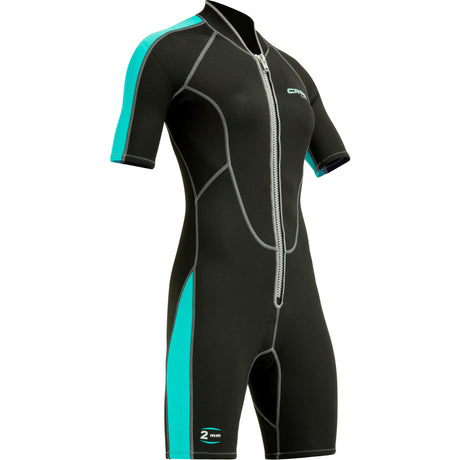
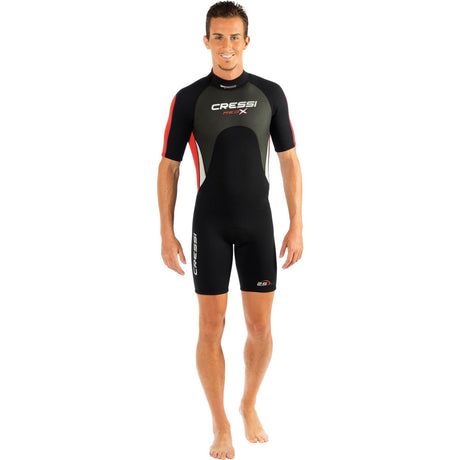
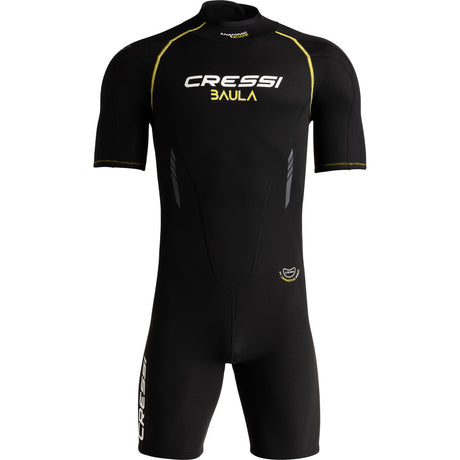
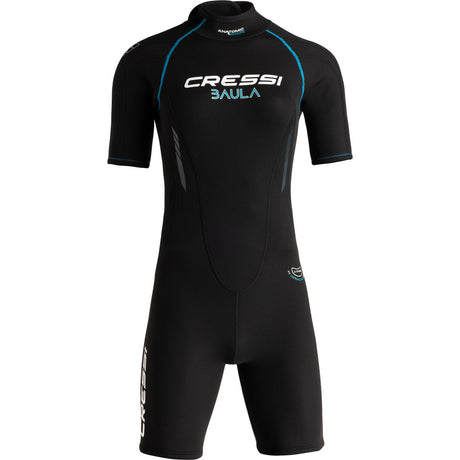
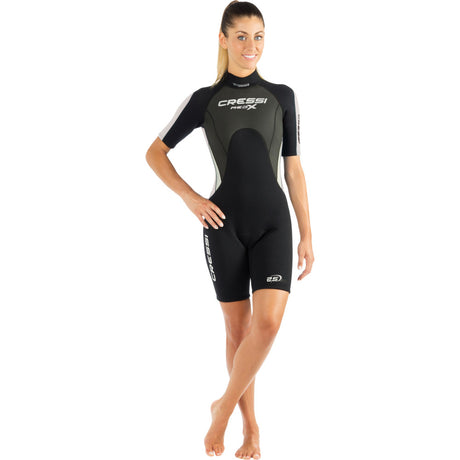
One more layer worth considering: a rash guard or thin wetsuit top. In warm water, this is more about sun protection than warmth. It also creates a light barrier against any accidental brushes with coral or jellyfish. In cooler water, even a 1–2mm top can make a real difference to how long you stay comfortable.

Know Your Location Before You Go
Surface conditions can vary widely when it comes to popular snorkel spots. A calm, shallow reef on a windless morning is of course ideal, but the same site can experience surface chop or a slight current at a different time of day.
Before you get in the water somewhere new, talk to someone who knows the site, whether that’s an employee at a water sports center or scuba shop, or even a hotel concierge. Ask them what conditions to expect and confirm which spots are best suited to your comfort and experience level before you get in the water.
If you're joining a guided snorkel trip, talk to the operator beforehand about your experience level and the intended sites. Find out about the day’s conditions, and, if you tend to get seasick, prepare in advance with over-the-counter motion sickness medication before you board the boat.

Practice Your Snorkel Techniques
If you've never snorkeled before, spend a few minutes in shallow water getting used to your gear before you fin off to find the reef. Breathe slowly and deeply through the snorkel to get a feel for how it feels in your mouth. Practice clearing water out of the snorkel with a forceful exhale.
And remember, you’re not swimming, you’re snorkeling. Keep your arms at your sides or folded in front of you while you kick with wide flutter strokes. Short, rapid kicks are more likely to stir up the bottom or accidentally disturb marine life.
Once you feel comfortable, and want to go a little deeper for a closer look, try a simple “duck” dive. Take a slow, full breath, tuck your head down, bring your fins above the surface and dive beneath the water. As you descend, remember to clear your ears to avoid a pressure squeeze. Equalize early and often, and don't wait until you feel pressure.
Most importantly, snorkeling is (or should be) an easy, low-stakes entry to the underwater world. Get gear that fits, choose sites that are appropriate for your skill level, and practice your technique, and then just follow whatever catches your eye.