Congratulations, you’re a newly certified open-water diver! Now what? For many people, the next step is deciding what gear you need to buy and what you can comfortably rent as you figure out whether scuba diving will become your new passion. (It will, of course).
The short answer is that you needn’t go straight from your course to the sales counter, laden down with every conceivable piece of gear. A few key pieces are worth an early investment, however, and a few can wait until you've logged more time underwater and you’ve got a better sense of what kind of diver you're becoming.
What to Buy First

There are three essential pieces of gear that most new divers buy first, often before the end of their certification course: a mask and snorkel, fins, and a wetsuit. These are personal-fit items, which means renting them can be a gamble. If your rental mask leaks or fogs, you’ll have a measurably worse time during your course and early dives.
If your rental fins don’t fit properly, you’ll struggle with movement and proper form underwater. As for your wetsuit, let’s just say there are two types of divers—those who pee in their wetsuit and those who lie about it. Aside from hygiene issues, an ill-fitting wetsuit won’t keep you as warm or comfortable as one that matches your body shape.

A good mask creates a reliable seal against your face, has tempered glass lenses, and lets you see clearly without distortion. The best way to test fit is without the strap: hold the mask to your face, inhale gently through your nose, and release. If it stays put, the seal is working. Cressi's classic Big Eyes Evolution is a solid starting point for new divers, with a wide field of view and a reliable silicone skirt. If you want something lower-profile that packs flat for travel, the F1 frameless mask is worth a look.
Fins should feel snug but not uncomfortably tight. You’ll find a wide variety of both open-heel and closed heel fins here. Open-heel fins with adjustable straps are the standard for scuba because they generate more power underwater. They’re worn with neoprene boots, which also give you some protection during shore entries.

Full-foot fins are lighter and work well for warm-water snorkeling or strictly tropical diving but aren't typically used for scuba. For a versatile starting fin that works across conditions, Cressi's Frog Plus fins give you good propulsion without the bulk of a more advanced technical fin.
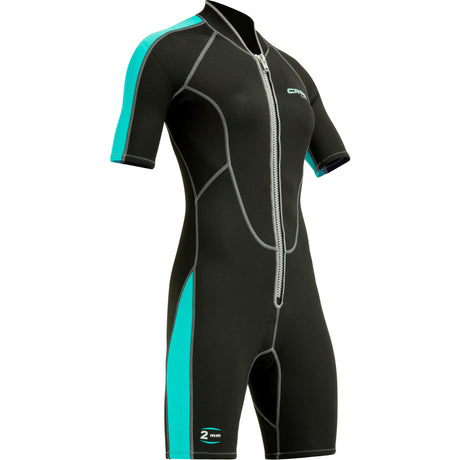
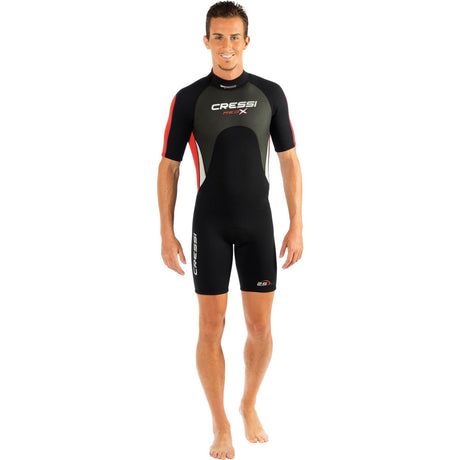
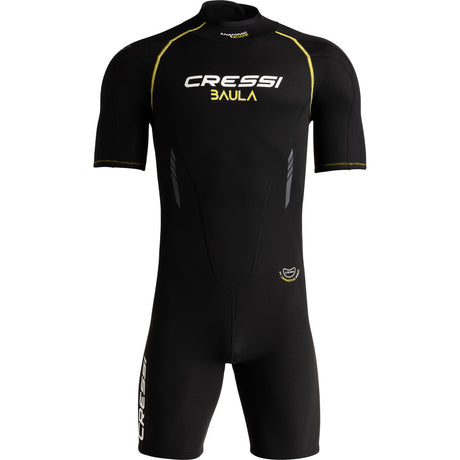
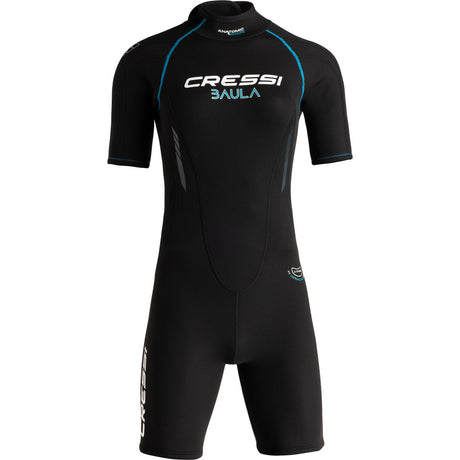
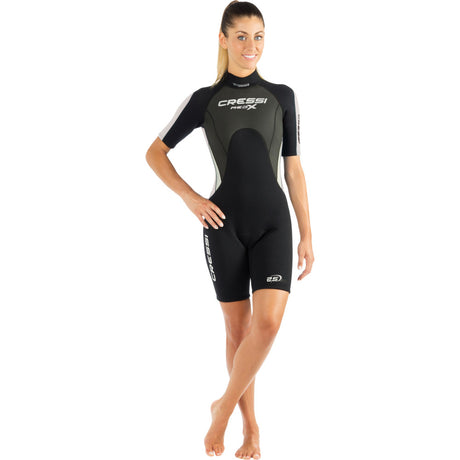
Wetsuit thickness depends entirely on where you dive and your personal tolerance for cold. A 3 mm full wetsuit works well for water temperatures above roughly 80°F. If you’ll be diving in cooler waters or anticipate diving multiple times per day, such as on a liveaboard, consider moving into a 5 mm full wetsuit. Anything below 60°F and you’re in 7 mm or drysuit territory. Cressi's Fast line covers the full range, and the right choice mostly depends on your home dive environment or wherever you travel most.

What You Can Rent for Now
Your BCD, regulator, and dive computer are the most expensive items in your kit, and if you continue in your diving career you’ll likely end up buying all three. But it’s also wise to rent them when you’re new to the sport because you’ve yet to develop a strong preference about fit, configuration, and features. Renting for a while lets you try out different types of BCDs (back-inflate vs. jacket-style) as well as different regulators and computer designs.
That said, if you know you're going to dive regularly, buying sooner rather than later is worth it financially. Rental fees add up, and owning your own gear means you're not gambling on what condition the shop's equipment is in.
For new divers, a jacket-style BCD, where the air bladder wraps around the front and sides, is usually the most intuitive option. Cressi's Start Pro 2.0 is designed with beginners in mind: it's comfortable, easy to operate, and doesn't over-complicate the features.
When it comes to your regulator, the main thing to evaluate is breathing effort: a well-tuned second stage should deliver air with minimal draw. Most entry-level regs are unbalanced, meaning breathing effort increases slightly as tank pressure drops, which is fine for recreational diving but worth knowing.
If you anticipate cold-water diving, look for a cold-water rated or dry-sealed reg to prevent internal freezing. Cressi's AC2 compact regulator performs reliably across recreational conditions without requiring a lot of adjustment.
Dive computers are where you can begin to spend real money depending on what features you like. Though you should always carry an SPG, dive computers make it far easier to track your depth, time, and decompression limits in real time, usually right on your wrist.

A straightforward, easy-to-read display matters more than extensive features when you're just starting out. Cressi's one-button computers, including the Leonardo, are popular with new divers for exactly that reason: simple navigation, large display, reliable performance.
Good gear genuinely matters as you become a better diver, not because you need the most expensive kit available, but because well-fitting, reliable gear lets you focus on the diving itself. Start with the personal-fit items; rent the big-ticket pieces until you know what you want, and build out your gear as you log more dives and decide how and where you like to dive. There's no single right setup, but there is a right setup for you—the fun part is figuring it out, one dive at a time.