Turkey is one of those destinations that quietly surprises you. Diving can vary from straightforward shore entries to deeper wreck sites, all of which can vary from clear visibility to murky waters.
The Cressi Raffaello computer felt much the same. At first glance, it seems like a solid mid-range dive computer, with a large screen, simple layout, and no unnecessary extras. But after diving with it throughout our trip, it became clear that there is more going on beneath the surface.
Features like multi-gas support and an integrated digital compass add a level of capability that goes beyond what you might initially expect from a computer in this category. 
The build: more with less
Cressi_minimal Raffaello, Tank, Sylvia_745.mp4
Many similar wrist-mounted dive computers in this price range are chunky and clunky. The Raffaello, however, has a noticeably flatter, more streamlined rectangular profile.
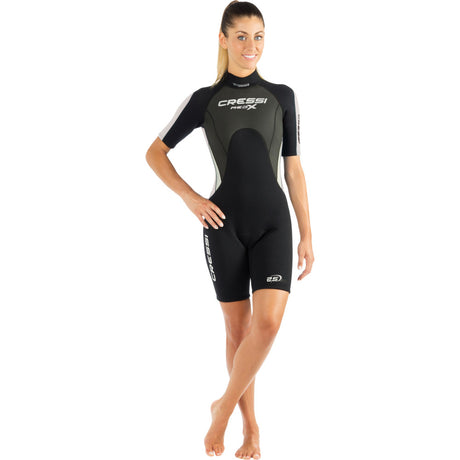
At just over 1 inch thick and weighing around 120 grams, it felt well balanced and didn’t require an overly tight strap to keep it securely in place, as bulkier computers often do. Throughout the week, the Raffaello’s low profile sat neatly on top of my wetsuit without getting in the way while gearing up.
The screen: crisp and clear

Turkey offered a mix of conditions, from bright, sunlit reefs to more muted and murkier wreck dives, especially after rainfall. Regardless of the conditions, the monochrome screen remained easy to read, and the backlight proved genuinely useful when ambient light faded.
The 1.5 x 2-inch display is large without being oversized, and the monochrome screen is crisp and high-contrast. Depth, NDL, dive time, and ascent rate were always clearly laid out, with no clutter or competing information.
Even when my attention was split, I could glance down and immediately register what I needed. I never had to stop, squint, or change my position just to read the display, which is exactly how a dive computer should behave.
The features: beyond recreational
 One feature that stood out on the Raffaello was the integrated digital compass. At this price point, a built-in compass isn’t common. Several dives involved wreck navigation or swimming back to a fixed exit point, and having a bearing available directly on my wrist made those dives feel more controlled.
The compass isn’t tilt-compensated, so it does need to be held level, but with the backlit screen it remained easy to read even when visibility or light dropped.
The Raffaello runs on Cressi’s RGBM algorithm, and its conservatism isn’t adjustable. This may not appeal to divers who like to fine-tune their profiles, but on a trip with repetitive dives and a relaxed schedule, it felt perfectly appropriate. With a depth rating of 394 feet (120 m), the Raffaello is built far beyond the limits of recreational use, which adds a reassuring sense of robustness.
During my trip to Turkey, all the dives stayed comfortably within recreational limits, but the Raffaello is clearly capable of more. Alongside standard air and nitrox diving, it supports up to three gases, with oxygen mixes up to 99%, allowing for more advanced profiles if needed. While it isn’t aimed at technical diving, you are not going to outgrow the Raffaello quickly, making it a solid long-term investment piece.
The battery: simple reliability
One of the things I appreciated most about using the Raffaello was how little attention it demanded outside of the water. It runs on a standard CR2450 user-replaceable battery. On a dive trip, especially one with early starts and multiple dives, I didn’t have to think about charging schedules, cables, or battery status.
Who should buy the Cressi Raffaello?

After diving with it throughout the trip, the Raffaello feels best suited for divers who want clarity and reliability without unnecessary complexity. It’s an easy computer to recommend to newer divers buying their first serious dive computer, but it doesn’t feel limited or “beginner” in use.
The large screen, straightforward menu, and conservative algorithm make it particularly appealing to divers who prefer their computer to manage the details simply in the background.
Diving in Turkey highlighted the Raffaello’s simple yet effective design. It delivered clear information, never complicated a dive, and its display never made me second-guess the data. This gave me the confidence to focus on the diving itself.